
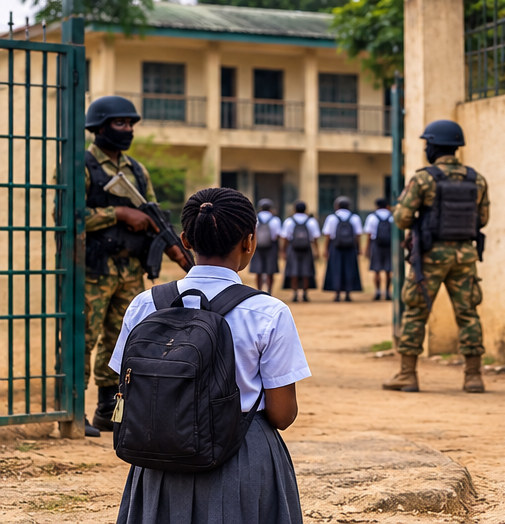
Violence, abductions and security threats can close schools, displace families and create long periods where students are afraid to attend. Education recovery must therefore include safety planning, not only reopening classrooms. The situation can feel personal, but it is easier to solve when the student separates facts, deadlines, official rules and emotions.
Understanding the problem before making a decision
Safety and social inequality can interrupt education even when a student is academically capable. Insecurity, discrimination, family crisis, disability barriers, drug abuse and displacement can reduce attendance and make long-term planning difficult. Violence, abductions and security threats can close schools, displace families and create long periods where students are afraid to attend. Education recovery must therefore include safety planning, not only reopening classrooms.
The most useful next step is to define the exact status of the problem. Students should avoid turning an uncertain situation into a final conclusion before checking the official record, deadline or policy that applies.
Key issues to check
| Situation / factor | What it means | Practical response |
|---|---|---|
| Security problem | Education effect | Required response |
| Attack threat | School closure | Risk assessment and communication |
| Abduction fear | Reduced attendance | Protection and trusted transport |
| Displacement | Loss of school continuity | Temporary learning/transfer support |
| Trauma | Concentration problems | Psychosocial care |
What students should do next
- Follow official school and security instructions during threats.
- Schools should maintain emergency communication and evacuation plans.
- Parents should keep verified contact information updated.
- Avoid spreading unconfirmed security rumours that can cause panic.
- After incidents, provide psychosocial and academic catch-up support.
Common mistakes that can make the situation worse
- Treating credible threats, abuse or violence as something a student must handle alone.
- Posting sensitive allegations publicly before preserving evidence or using appropriate protection channels.
- Ignoring the education consequences of displacement, disability, family crisis or discrimination.
- Returning to an unsafe environment only because of pressure to avoid missing classes.
Build a stronger plan beyond this immediate problem
Education works only when students are safe enough to attend, concentrate and plan. Schools need reporting systems, protection procedures and inclusive support, while families and students need reliable emergency and welfare contacts. Serious danger should always be treated as a safety issue first and an academic issue second.
When dealing with school insecurity in nigeria, keep a written record of the important dates, documents, payments, contacts and decisions. This makes it easier to explain the situation to an institution, examination body, sponsor, employer or family member and reduces the risk of repeating the same mistake.
When to escalate or ask for formal help
Use formal support when the issue involves an official result, admission record, payment dispute, safety risk, harassment, serious health concern or a decision that affects student status. Keep communications factual and use the institution, regulator, examination body, healthcare service or security/protection channel responsible for the matter.
Frequently asked questions
Should schools stay open during a credible threat?
Safety authorities and school leadership should assess risk; students should follow official instructions.
What is Nigeria doing on school safety?
The Federal Ministry of Education has a Schools Safety Department and national safety frameworks.
What number can be used for an immediate emergency?
112 is the national emergency number.
Useful official references
- Federal Ministry of Education Schools Safety
- NUC Student Welfare
- Federal Ministry of Health and Social Welfare
StudyInfoWeb.ng note: Educational rules, fees, admission thresholds and institutional procedures can change. Verify final requirements with the responsible institution or official authority before paying, travelling or making an irreversible decision.
Comments (0)
Share a helpful question or experience about this topic.