
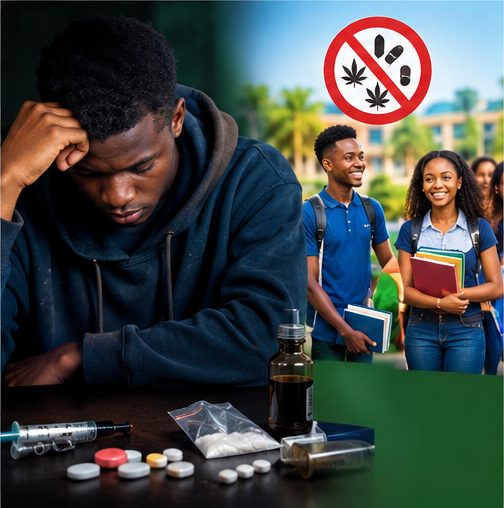
Drug misuse among university students may be linked to peer pressure, stress, experimentation, nightlife, performance myths or untreated mental-health problems. Consequences can include health crises, poor judgement, academic failure and disciplinary or legal problems. The situation can feel personal, but it is easier to solve when the student separates facts, deadlines, official rules and emotions.
Understanding the problem before making a decision
Safety and social inequality can interrupt education even when a student is academically capable. Insecurity, discrimination, family crisis, disability barriers, drug abuse and displacement can reduce attendance and make long-term planning difficult. Drug misuse among university students may be linked to peer pressure, stress, experimentation, nightlife, performance myths or untreated mental-health problems. Consequences can include health crises, poor judgement, academic failure and disciplinary or legal problems.
The most useful next step is to define the exact status of the problem. Students should avoid turning an uncertain situation into a final conclusion before checking the official record, deadline or policy that applies.
Key issues to check
| Situation / factor | What it means | Practical response |
|---|---|---|
| Risk | Possible consequence | Safer response |
| Stimulant misuse | Heart/anxiety/sleep problems | Healthy study routine |
| Alcohol bingeing | Injury and risky decisions | Limits/support |
| Unknown pills | Overdose/contamination | Do not use |
| Dependence | Academic/health decline | Professional treatment |
What students should do next
- Use accurate health information rather than peer myths.
- Avoid taking prescription drugs that were not prescribed for you.
- Seek confidential health or counselling support for problematic use.
- Friends should respond to overdose or severe reactions as medical emergencies.
- Universities should combine prevention, treatment referral and disciplinary policies.
Common mistakes that can make the situation worse
- Treating credible threats, abuse or violence as something a student must handle alone.
- Posting sensitive allegations publicly before preserving evidence or using appropriate protection channels.
- Ignoring the education consequences of displacement, disability, family crisis or discrimination.
- Returning to an unsafe environment only because of pressure to avoid missing classes.
Build a stronger plan beyond this immediate problem
Education works only when students are safe enough to attend, concentrate and plan. Schools need reporting systems, protection procedures and inclusive support, while families and students need reliable emergency and welfare contacts. Serious danger should always be treated as a safety issue first and an academic issue second.
When dealing with drug abuse among nigerian university students, keep a written record of the important dates, documents, payments, contacts and decisions. This makes it easier to explain the situation to an institution, examination body, sponsor, employer or family member and reduces the risk of repeating the same mistake.
When to escalate or ask for formal help
Use formal support when the issue involves an official result, admission record, payment dispute, safety risk, harassment, serious health concern or a decision that affects student status. Keep communications factual and use the institution, regulator, examination body, healthcare service or security/protection channel responsible for the matter.
Frequently asked questions
Can someone be dependent even if they still attend class?
Yes. Functioning in some areas does not rule out harmful use.
Should friends hide an overdose to avoid trouble?
No. A medical emergency requires urgent help.
Where should a student start?
A healthcare professional or campus counselling/medical service can assess the situation.
Useful official references
- Federal Ministry of Education Schools Safety
- NUC Student Welfare
- Federal Ministry of Health and Social Welfare
StudyInfoWeb.ng note: Educational rules, fees, admission thresholds and institutional procedures can change. Verify final requirements with the responsible institution or official authority before paying, travelling or making an irreversible decision.
Comments (0)
Share a helpful question or experience about this topic.